01For beginners
Basic Aesthetics
32 hours8 modules
Ethics, hygiene, skin anatomy, assessment, cosmetology fundamentals and a guided facial protocol: a structured first step into aesthetics.
see the program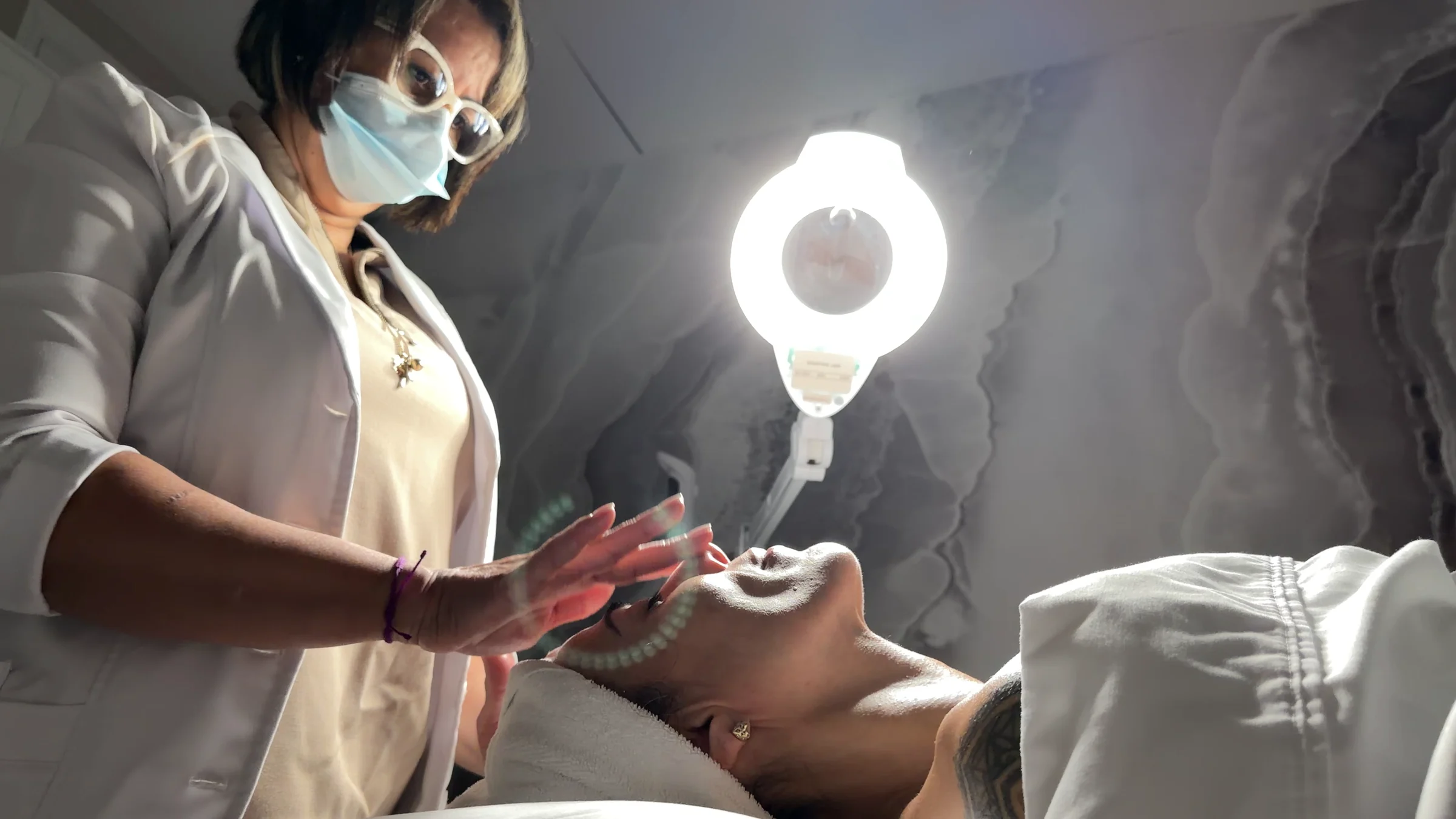
Essences SkinLife Academy · Coming soon
Three programs, from first steps to professional practice.
ask about trainingLearn with us
Ethics, hygiene, skin anatomy, assessment, cosmetology fundamentals and a guided facial protocol: a structured first step into aesthetics.
see the program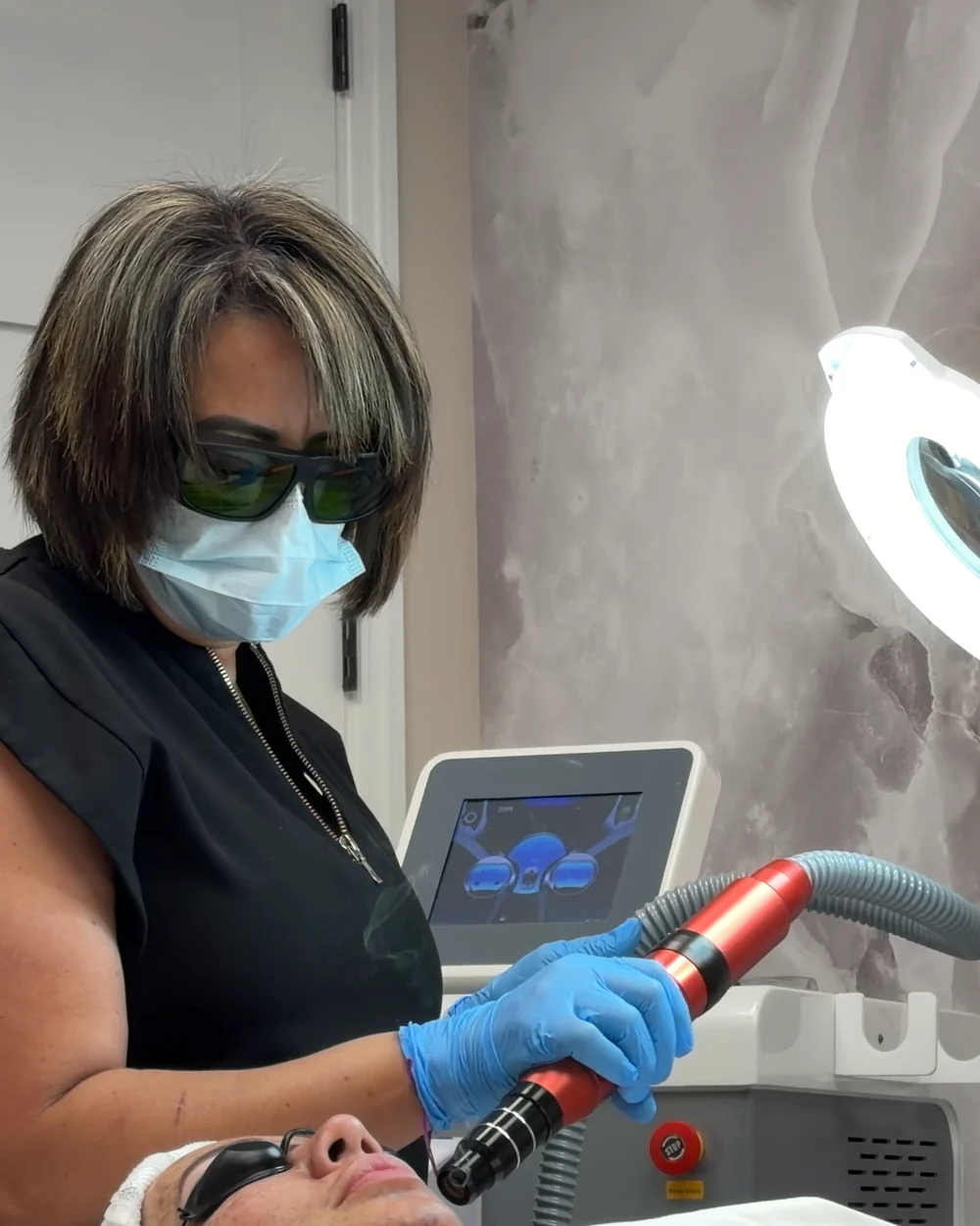
Applied anatomy, assessment, cosmetology, superficial renewal, barrier care and protocol design. Microneedling is covered as theory and simulation.
see the program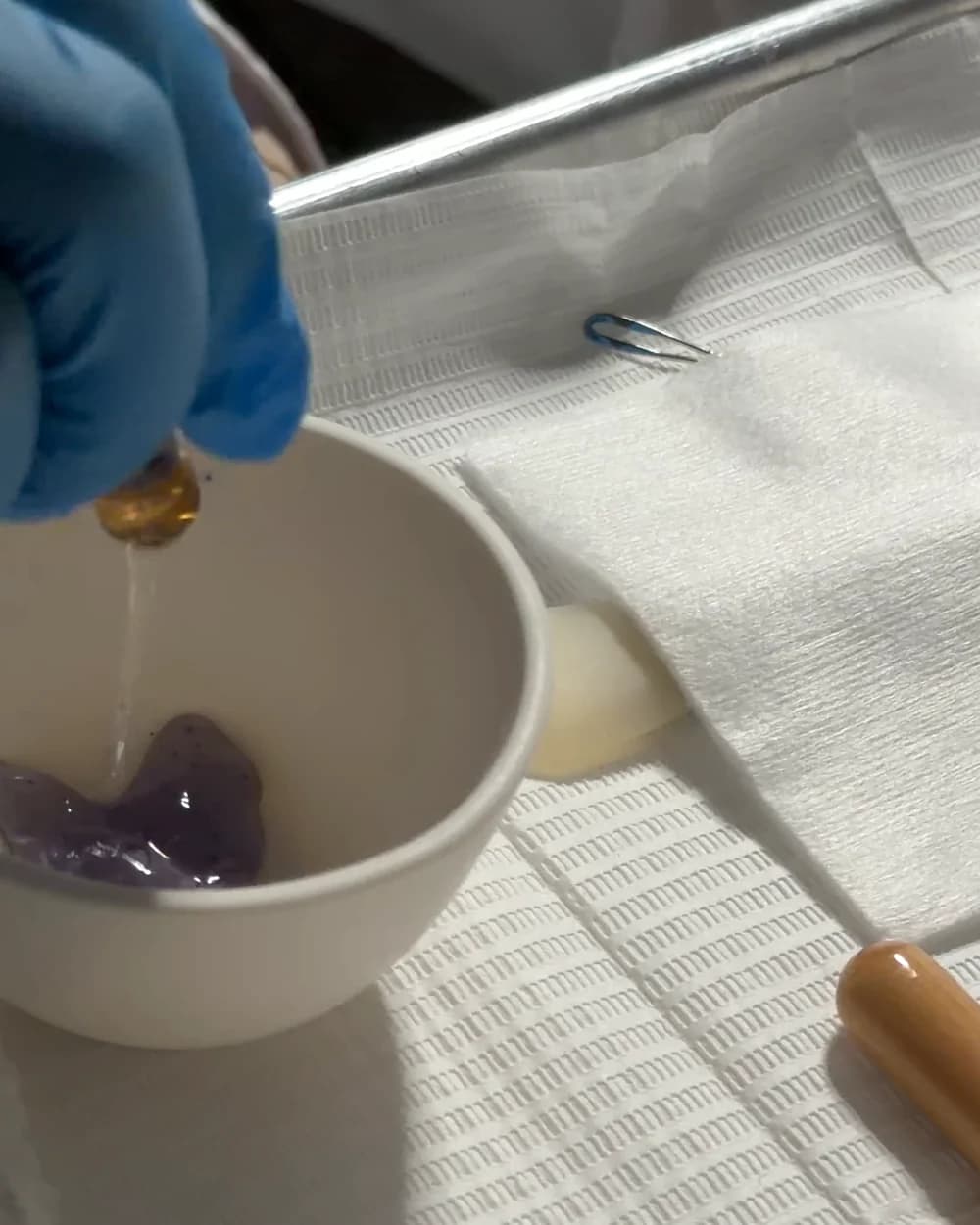
One- and two-day sessions on skin types, hydration, active ingredients, facial anatomy and aesthetic technology.
see the programPrograms in preparation. Dates, fees and enrollment will be announced.
Coming soon · Introductory program
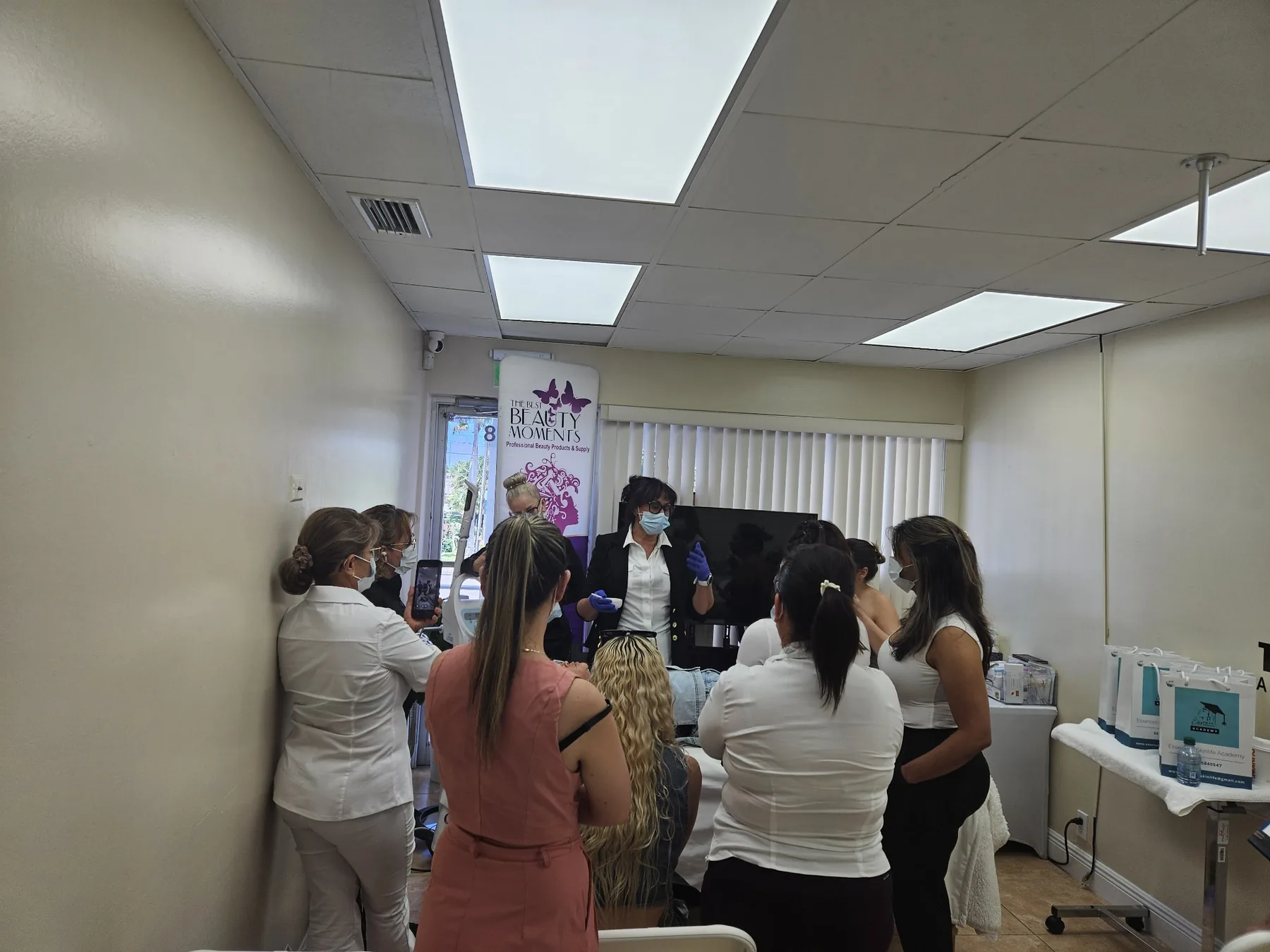
A 32-hour introduction to aesthetic skin care. Theory and guided practice build foundations in client care, skin assessment and basic facial techniques, with hygiene, respect and professional responsibility throughout.
Open each module to explore its content.
The aesthetics professional’s role, personal presentation, compassionate care, confidentiality and limits of practice.
Hand hygiene, cleaning and disinfection, contamination prevention, handling materials and preparing the workspace.
The skin’s layers and functions, the skin barrier, sebaceous and sweat glands, and factors that affect skin condition.
Skin types and conditions, aesthetic observation, client records, relevant history, contraindications and situations that require referral.
The role of cleansers, exfoliants, toners, masks, moisturizers and sunscreens; basic product selection and use according to the manufacturer’s instructions.
Client preparation, cleansing, superficial exfoliation, basic facial massage, mask application, moisturizing and sun protection. Adapting the protocol and providing aftercare.
Professional communication, basic home care recommendations, follow-up and organizing client care in a spa.
Theory and practical assessments, a review of the protocol and individual feedback.
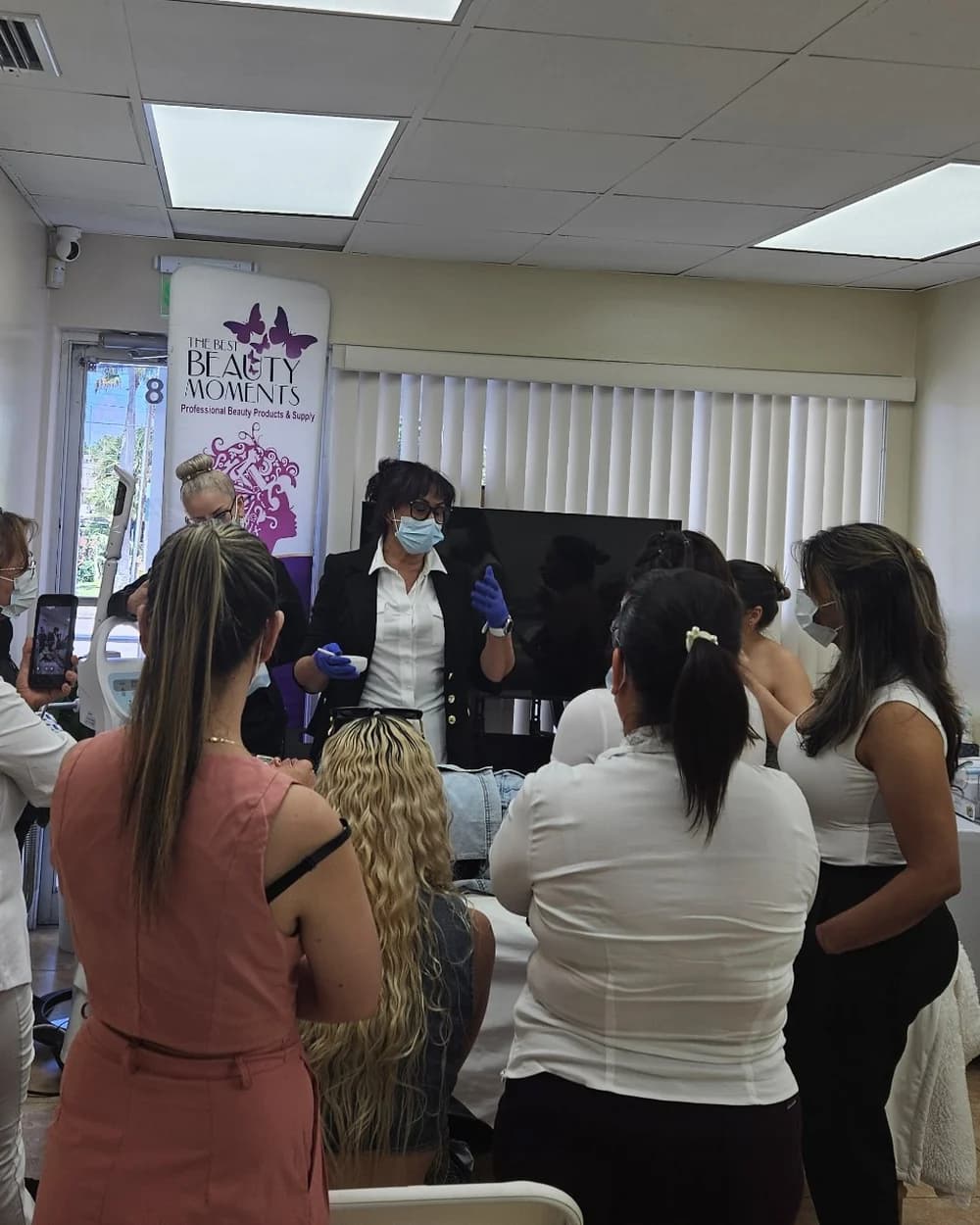
Theory lessons, demonstrations, case discussions and guided practice. The program brings together technique, professional judgment and compassionate client care.
Passing the program depends on attendance, participation and completion of theory and practical assessments. The Academy may issue a certificate of successful completion stating the program name and its 32 hours of training.
This is introductory training. An Academy certificate records the training received; it is not a professional license. Permission to practice depends on the licensing requirements and rules where you intend to work.
Dates, schedules and enrollment conditions will be shared once confirmed. An enquiry does not confirm admission.
Six months to strengthen professional criteria
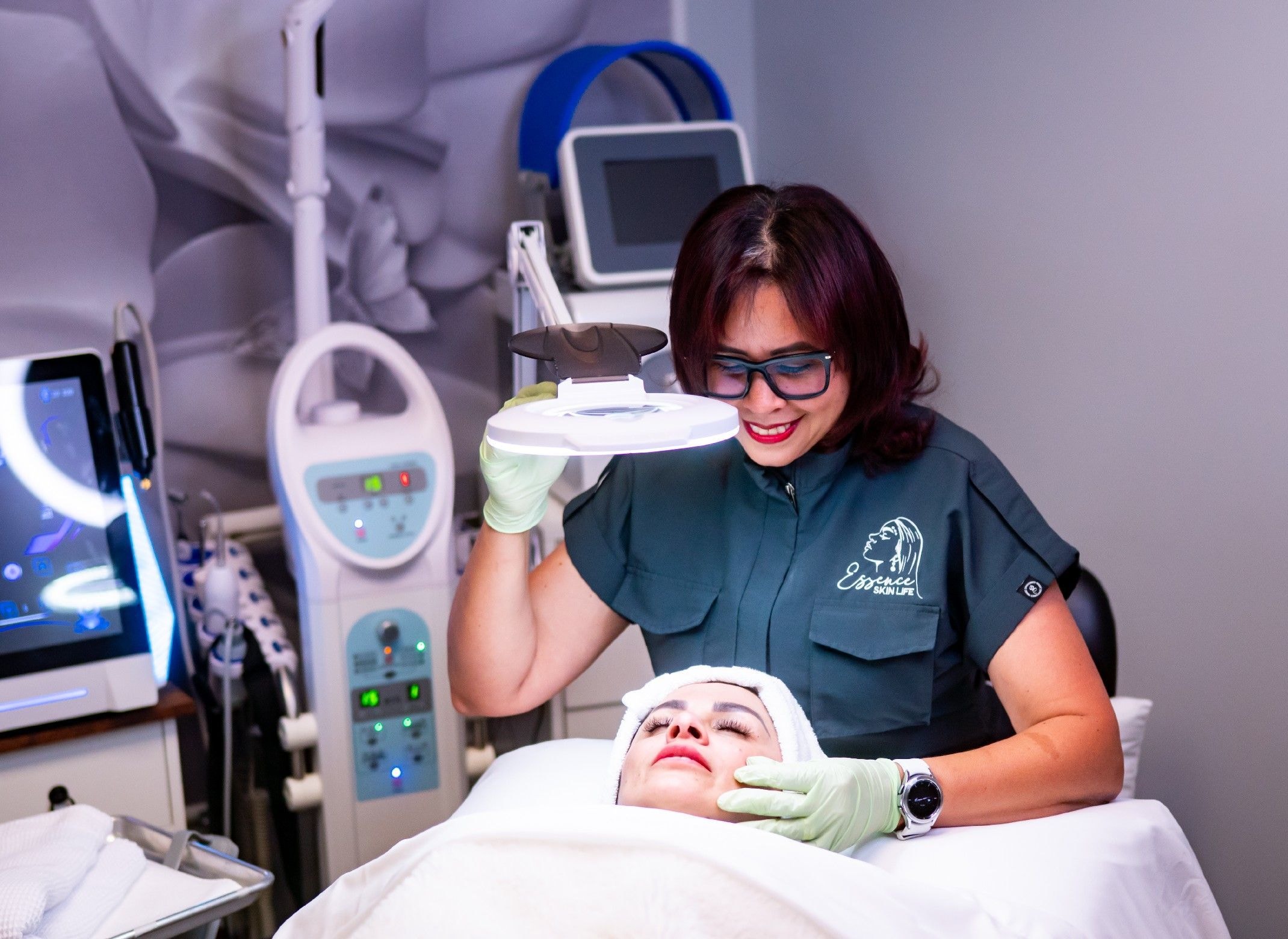
Intensive continuing education for active professionals with prior aesthetics training. It integrates applied anatomy, assessment, cosmetology, superficial renewal, barrier care, microneedling fundamentals, protocol design and human care.
| Unit | Weeks | Classes | Hours |
|---|---|---|---|
| 01Applied facial anatomy | 1–2 | 1–6 | 18 |
| 02Aesthetic assessment and case selection | 3–4 | 7–12 | 18 |
| 03Biosafety, consent and documentation | 5–6 | 13–18 | 18 |
| 04Cosmetology and critical reading of evidence | 7–8 | 19–24 | 18 |
| 05Superficial renewal and peels: fundamentals | 9–10 | 25–30 | 18 |
| 06Barrier care and follow-up | 11–12 | 31–36 | 18 |
| 07Microneedling: fundamentals and regulation | 13–14 | 37–42 | 18 |
| 08Microneedling: safety and simulation | 15–16 | 43–48 | 18 |
| 09Goal-based facial care | 17–18 | 49–54 | 18 |
| 10Facial wellbeing and hair observation | 19–20 | 55–60 | 18 |
| 11Protocol design and authorized practice | 21–22 | 61–66 | 18 |
| 12Integration, assessment and professional development | 23–24 | 67–72 | 18 |
| Total | 24 | 72 | 216 |
Professionals with documented prior training and current activity in aesthetics or a related field. Admission requires credential verification, a fundamentals assessment and an interview. The course does not replace initial training or grant a license.
No injectables, implantable threads, body procedures or PRP applications. Microneedling is taught as theory and simulation; practice on people requires verified equipment, license, supervision and setting. Superficial peel practice also depends on the verified product and scope.
Profile, license, current practice, prior training and motivation.
Short answers on skin, hygiene, consent, documentation and professional scope.
20–30 minutes: a fictional case, hand hygiene and station preparation, and a justified basic protocol.
Dates, fees, materials, pass criteria and teaching staff are pending confirmation. The certificate will describe the content completed and will not certify clinical practice that did not take place.
One or two days to learn with criteria
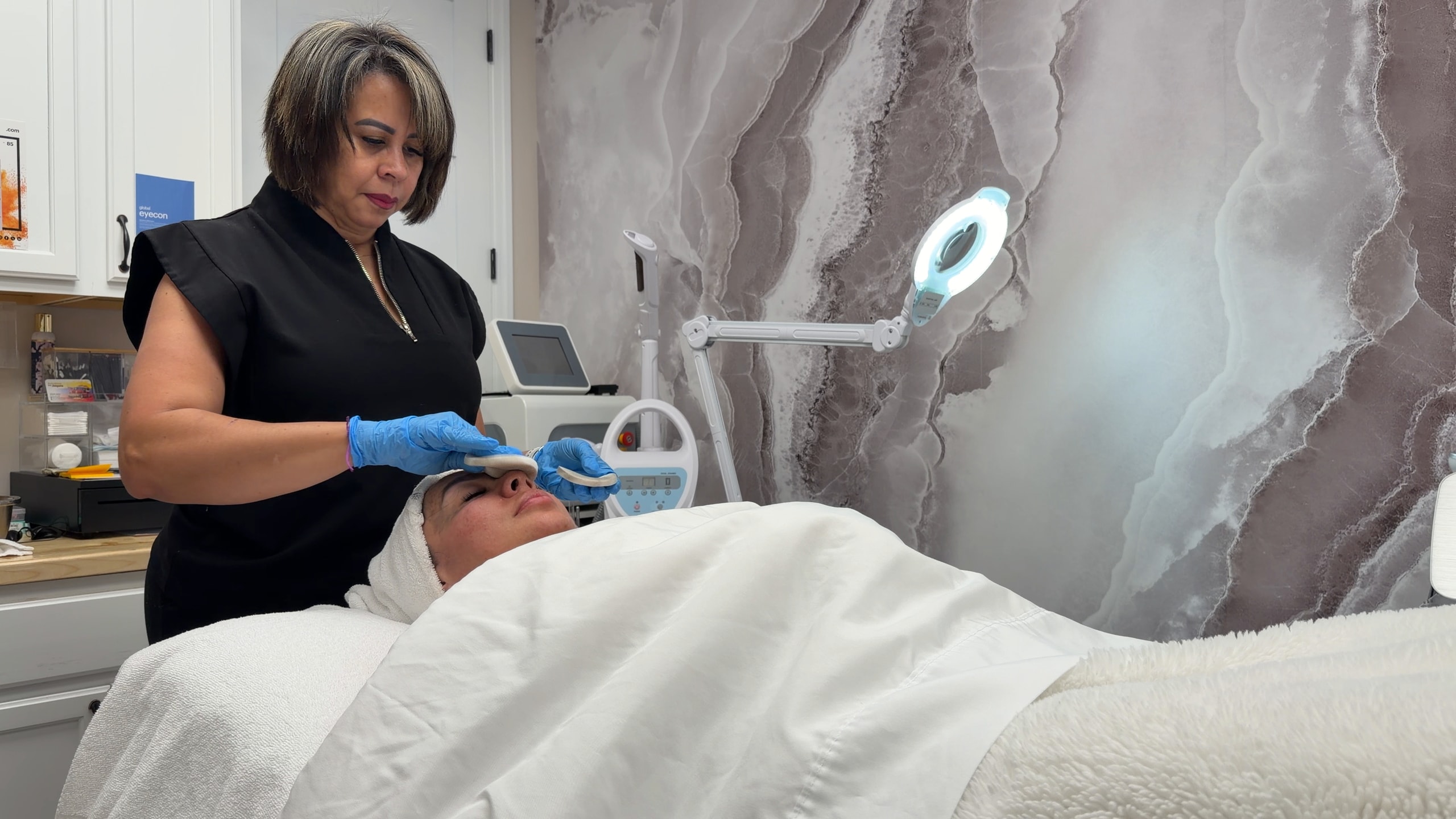
Sessions to broaden knowledge of skin care, cosmetic actives and aesthetic technology. They combine explanation, case analysis and demonstrations according to the topic and each participant’s profile.
Open to interested people, students and professionals.
Require prior knowledge and credential verification for practice.
Hands-on participation only within authorized scope and verified conditions.
17 topics shown
Functions, formulations, topical application, compatibility and limits. Difference from injectable mesotherapy.
Open theory; practice subject to requirements.
Mechanism, assessment, equipment, hygiene, risks and aftercare.
Theory and simulation; practice on people pending verification.
Hair cycle, skin phototypes, selection, expectations, safety and follow-up.
Professional training; practice subject to requirements.
Fundamentals, device indications, selection and treatment limits.
Open theory; demonstration depends on the equipment.
Concept, specific equipment, selection, risks and aftercare. Not equivalent to diode laser.
Theory; professional practice is conditional.
Types, conditions, observation and choosing basic care.
Open to everyone.
Differences, factors, habits, tolerance and professional guidance.
Open to everyone.
Humectants, emollients, occlusives and reading labels.
Open to everyone.
Skin, muscles, vessels, nerves and professional limits.
Open theory; introductory level.
Functions, accessories, hygiene, selection and manufacturer documentation.
Professionals; brand and model pending.
Specific products, ingredients, indicated route and precautions.
Open theory; application depends on product and profile.
Goals, expectations, techniques, assessment and referral.
Informational, open to everyone.
Equipment, indications, limits and possible complications.
Theory; no confirmed practice.
Concepts, evidence, regulation and professional responsibilities.
Informational; no blood draw or application.
Features, administration and scope. It is an injection device.
Informational; clinical practice separate for qualified profiles.
Factors, appearance, options, evidence and realistic expectations.
Informational, open to everyone.
Principles, functions, precautions and maintenance by device.
Theory and demonstration; practice subject to requirements.
One day: 6 teaching hours. Two days: 12 teaching hours. Breaks and lunch are added to the schedule.
Participants receive a support booklet, cases and worksheets according to the topic. The certificate states participation and hours; it is not a license, and no official license-renewal credits are announced.
Dates, teachers, fees, materials and places will be announced for each session. The academy confirms brand, model, indication and authorization before announcing any practice.
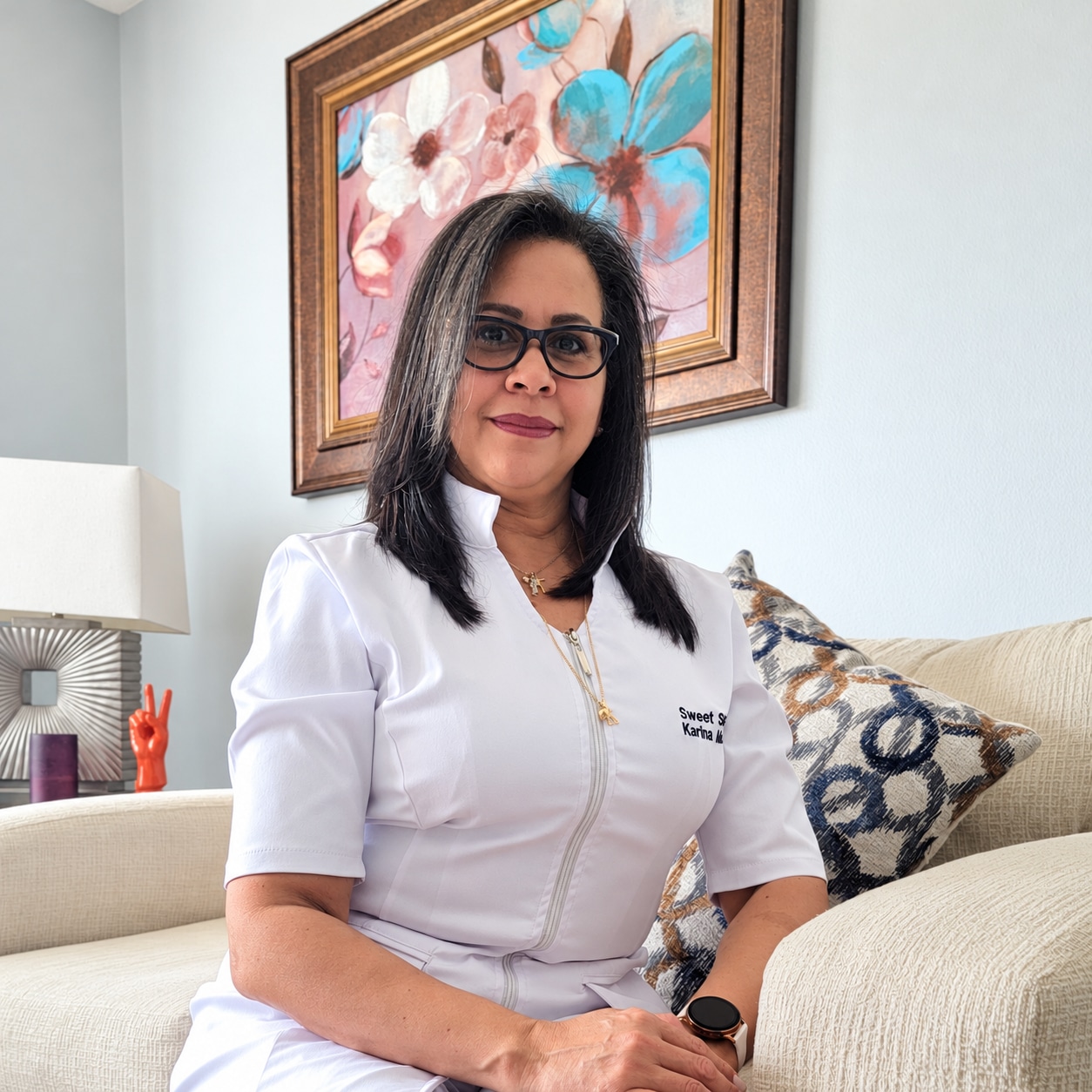
Karina holds a degree in Education from Universidad Pedagógica Experimental Libertador (UPEL), with training in Science and Chemistry and postgraduate studies in Teaching Methodology and Planning.
With more than 25 years of professional experience, her teaching connects scientific foundations with practice: understanding why a technique is used, recognizing its limits and making thoughtful decisions.
Her approach emphasizes clear explanations, guided practice and professional ethics, with respect for the person receiving care. Her project seeks to bring professionals and educators together to share experience and develop professional judgment. She is also preparing Estética con Criterio, an educational podcast.
My purpose is not to train people who simply repeat a protocol; I want to train professionals who understand what they do and develop the judgment to make sound decisions.